CSPM asks whether the infrastructure is configured safely. DSPM asks where sensitive data actually lives, who can reach it, how it moves, and whether the exposure makes sense. Those are related questions, not identical ones.
A public bucket matters more when it contains regulated data. A permissive database role matters more when the table has production customer records. A shadow data store matters more when nobody can explain why the data was copied there. Data context changes the priority of infrastructure findings.
Different telemetry, different owner map
CSPM can often start from cloud APIs and configuration snapshots. DSPM needs classification, data store discovery, access paths, usage context, lineage hints, and business ownership. It crosses cloud, SaaS, database, storage, analytics, and AI workspaces faster than most org charts can keep up.
That means the operating model is different. Security cannot just throw a ticket at the cloud platform team and call it done. Data owners, app owners, compliance, platform, and security all have pieces of the answer.
The AI angle makes this sharper
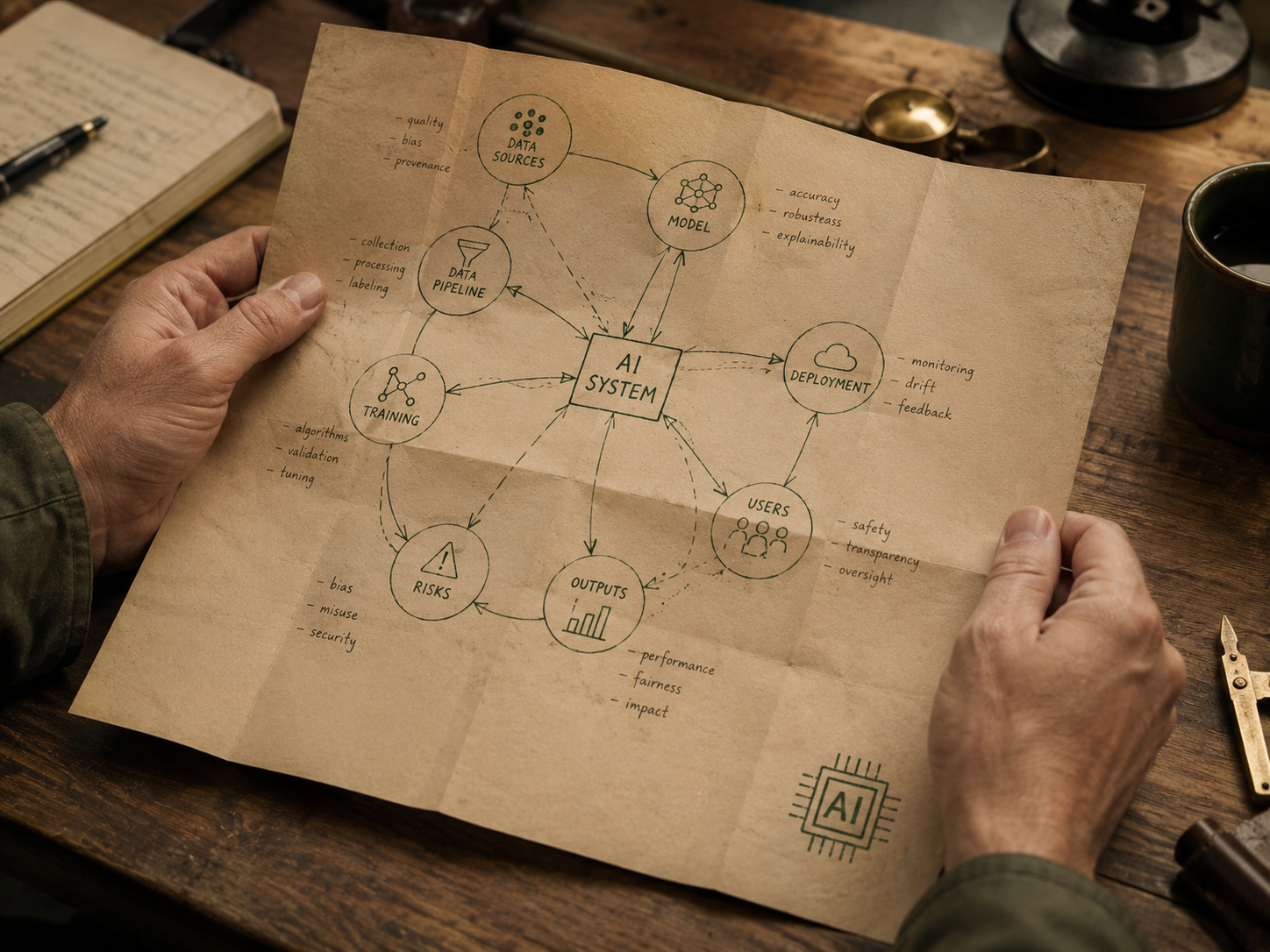
AI workflows are hungry for context. That means old data posture problems become model-context problems. Logs, prompts, embeddings, fine-tuning sets, exports, and shared workspaces can all turn quiet data sprawl into visible exposure.
If the data inventory is weak, AI security posture will be weak too. You cannot govern what the agent can retrieve if you do not know what the connected systems contain.
What good looks like
Good DSPM work gives the business a ranked view of sensitive data exposure, ownership, access, and remediation. It does not drown teams in every possible finding. It answers which data matters, who can touch it, why that access exists, and what should change first.
That is a category. It can integrate with CSPM. It should inform CSPM. But treating it like a checkbox misses the whole point.