01
Hacker News and cyber news
Security threads, breach writeups, research drops, standards debates, vendor moves, and the useful lesson buried under the comment-section heat.
Cybersecurity, cloud posture, AI agent security, and the boundary where the data center meets the public cloud. Low volume. No sales pitch. Substance only.
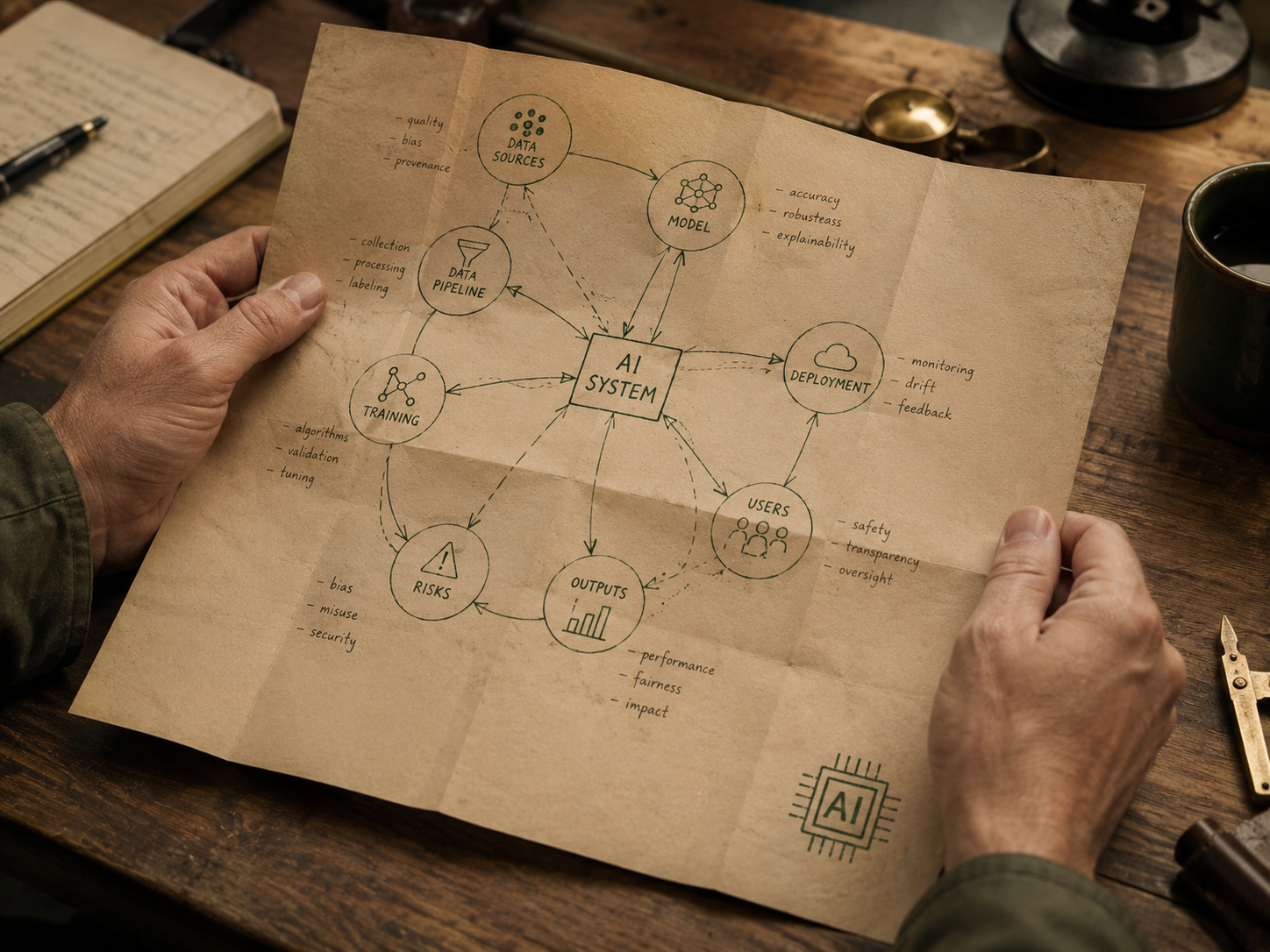
Security writing that treats cloud, data, and AI risk like terrain — map it, name the edges, and move with intent.
The threads that keep coming back: Hacker News, breach writeups, cloud and on-prem operations, vendor noise, and the few signals worth carrying forward. The lanes shift; the throughline is posture — what exists, what's exposed, and what fixes are worth doing first.
Security threads, breach writeups, research drops, standards debates, vendor moves, and the useful lesson buried under the comment-section heat.
MCP, OAuth flows for AI, tool grants, prompt injection at the product boundary, and what happens when models get permissions humans have not audited.
AWS, Azure, GCP misconfiguration patterns, IaC review, identity sprawl, logging blind spots, and the tradeoffs delivery teams make under timeline pressure.
Occasional love for the work hyperscalers abstracted away — cooling, cabling, change management at 4am, the actual physics of Tier 3. The cloud forgets the discipline the data center had to learn.
Where data lives, who can read it, what gets overshared into AI workflows, and which DLP controls actually survive operationally.
Risk framing, prioritization, and the translation layer between engineering reality and executive decisions. The work that gets less visible as the title gets bigger.
This site is a publishing home for security writing that earns its place — not service marketing, not lessons-learned clichés, not 5-step posts. Cloud-focused mostly. On-prem when something there earns the page. Substance over reach.
The perspective here is bottom-up: from the data-center floor to the dashboard. That path produces opinions about what gets lost in the abstraction — and a genuine fascination with what the next decade of cloud, data, and AI security looks like when the work is done right.
One to two posts a month. Each one exists because the idea wouldn't leave on its own.
A short queue for durable posts, quick reactions, and reading notes that may turn into longer essays.
Short takes on security-adjacent Hacker News threads when the useful lesson is buried under hype, cynicism, or vendor framing.
What the public details imply about identity, logging, data movement, vendor dependencies, and basic operational controls.
Identity, deployment systems, secrets, logs, and API boundaries matter more than the diagram teams show in architecture review.
Treating prompts as user input is table stakes. The harder question is what the product is allowed to do after the model believes it.
Cloud made infrastructure faster. Physical operations still teach useful instincts about change control, labels, dependency maps, and failure domains.
AI tools are turning authorization, tool grants, data boundaries, and audit trails back into first-order product design questions.
Cybersec headlines, vendor moves, research drops, and HN threads worth chewing on. Not a comprehensive aggregator — just what surfaced and deserved a take.
Send a strange security link, a cloud question, a data center memory, or a topic that deserves a cleaner writeup. The inbox is read.